Welcome to my blog about the recent effects Melting Ice Caps had on Climate!
By Paul Negoita
What are “The Ice Caps”?
Ice Caps, Ice Sheets and Glaciers are giant masses of ice that cover a large amount of land. They cover around 10% of Earth’s surface. This mass is spread around Earth but they are most commonly found in Antarctica and Greenland. Now you might be wondering “So What? It’s just ice”. Well I’m here to tell you that we are in a little bit of trouble. You see, humans have been polluting the air in large masses since the industrial revolution. Scientists found that when humans emit anthopogenic pollutants into the atmosphere, a phenomenon called “Human enhanced green house effect” occurs. This type of greenhouse effect raises the Earth’s temperature and this could lead to some very devastating consequences. Earth right now is losing at least 252 gigatons of ice a year. To put that in perspective that’s 3 Olympic sized swimming pools every second. What is also surprising is that this rate is 6 times faster than it was in 1979. Ice Caps have their own vital role when keeping our planet stable. Ice Caps reflect 80% of light, but if it’s melted, the ocean will absorb 90% of the light making Earth even hotter. This will eventually cause a climate catastrophe. Concerned scientists around the world are already seeing some effects of climate change. Without further ado, let’s look at some of these concerns.
Extreme drought patterns are very likely to be observed.
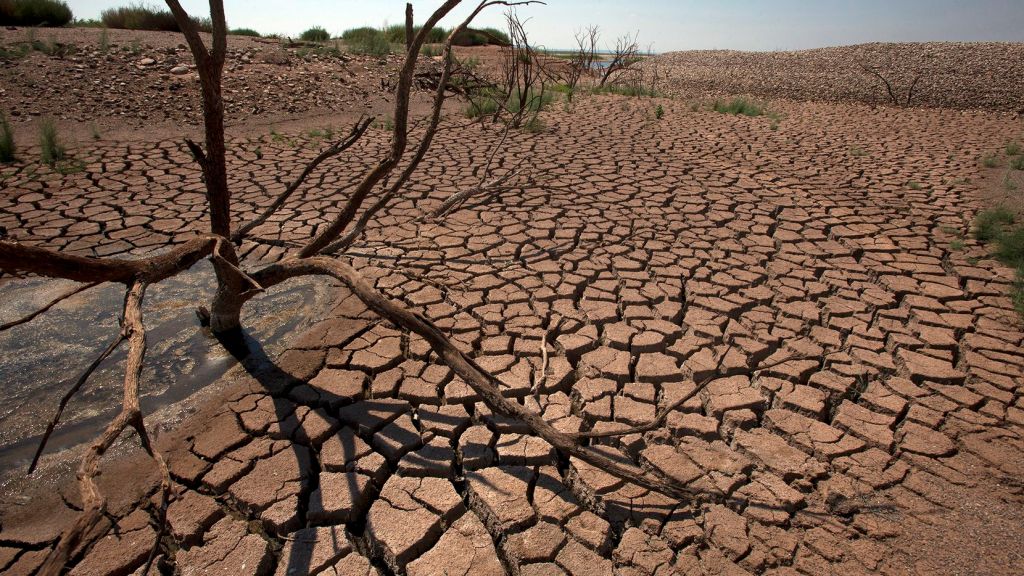
Let’s start off with Climate:
As hard as it is to believe, melting ice can actually mean less water in some areas. As ice melts away there will be less and less protection against strong infrared rays from the sun. This will ultimately aid evaporation in dry places and then lead to more drought! Another thing that happens is that as temperature increases, soil moisture decreases. This could make land uninhabitable by humans as planting crops would be very difficult. NASA claims that the lack of moisture in the soil is also the culprit behind heatwaves. We will likely see these events occur in southwest as Nevada and California are already having mega droughts more and more often throughout the 21st century.
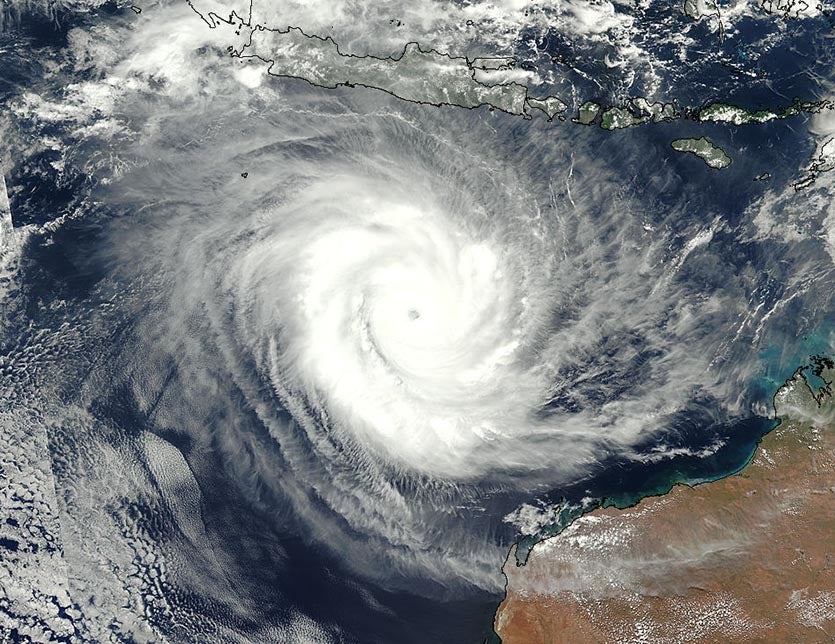
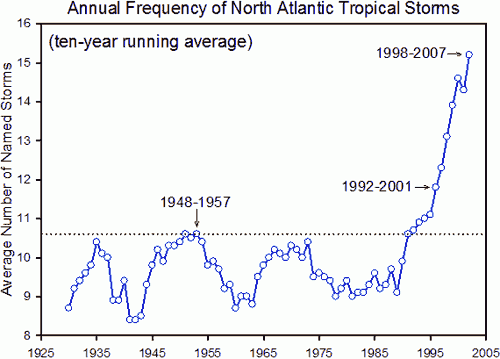
Let’s look at how Hurricanes are expected to rise.
I’m really not sure how many of you guys have heard, but in 2018 Hurricane Michael was first Category 5 hurricane to strike Florida since hurricane Andrew. Many recent studies show that hurricanes in the North Atlantic are becoming more and more intense during the last 2 to 3 decades. Climate change is most likely the main reason this is happening. Climate change has a direct impact on how quickly warm and moist air rises from oceans. Models show that in the beginning of the 21st century there was a 45-87% increase in category 4 and 5 hurricanes in the Atlantic basin.
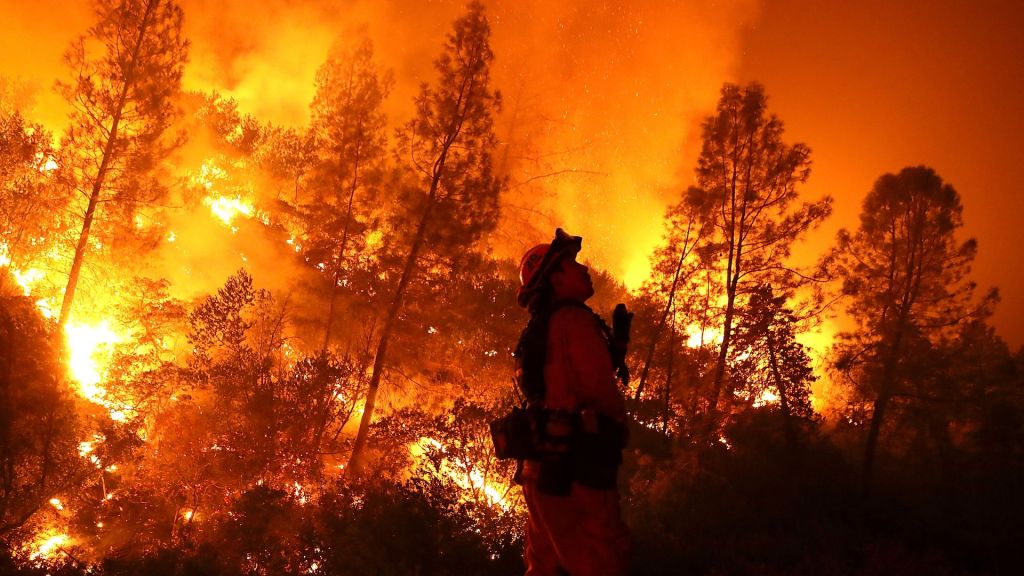
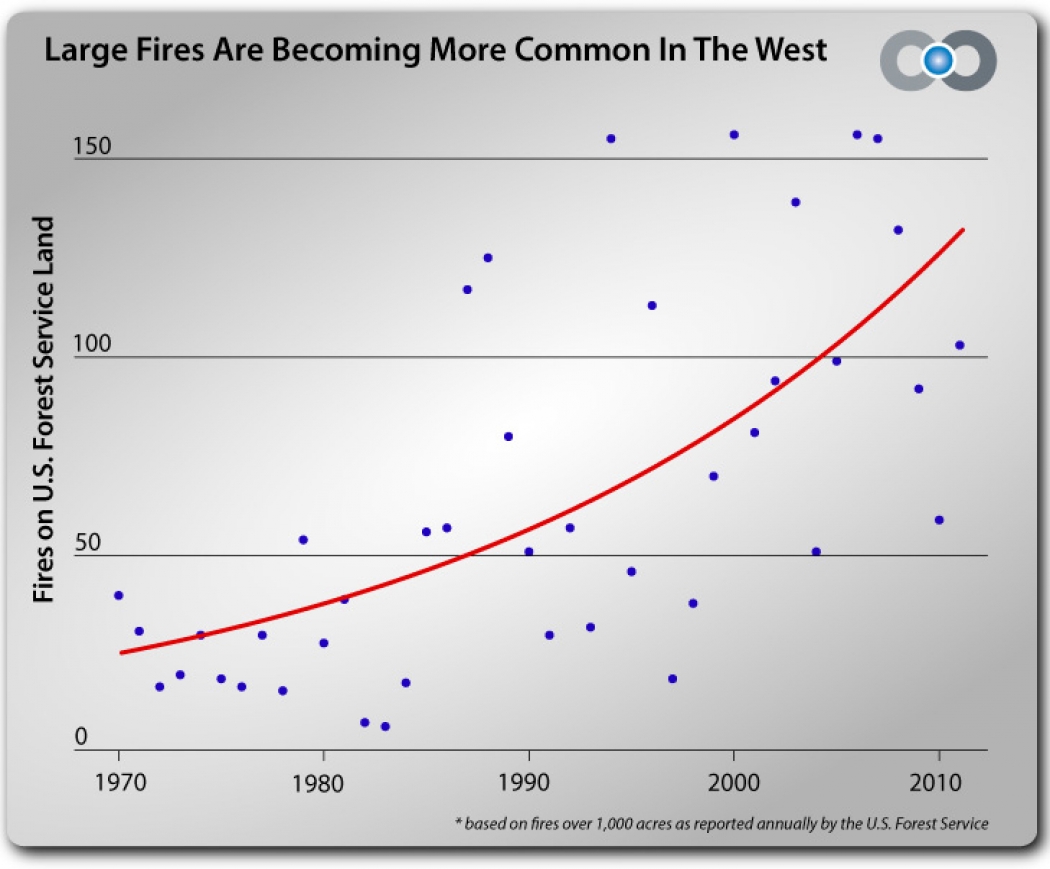
Climate Change also has a large impact on Wildfires in the West.
Wildfires are also a result of climate change. Wildfires depend on many factors. This includes temperature, soil moisture, and potential fuel sources such as trees, and shrubs. As I talked before, climate change has a profound effect on the temperature and soil moisture. Now it’s only a matter of having an available fuel source. The UCS (Union of concerned scientists) believes that Wildfires in the west of US have been increasing in frequency and duration since the mid 1980s. Between 1986 and 2003, wildfires have occurred nearly 4 times as often. This is no coincidence. Climate change really does have a huge impact on us. As we saw, the California wildfires in 2018 has caused more than 3.5 billion dollars in damage and killed over 85 people. These disasters will just become more frequent and devastating as we move though the 21st century.
What can we do about it?
These disasters are merely just the tip of the ice berg! Throughout this century we can expect to see more costly damages. It is estimated that just 2 feet of sea level rise could amount to trillions of dollars in damage. Along with this price comes resource scarcity, refugee crisis, and even the possibility of war. However, as long-time participant IPCC Michael Oppenheimer says “We should not panic, but we should start thinking about how we can help settlements move away from the coasts, and help countries deal with the outcome, because a lot of it is not going to be pretty”. Quite frankly, there isn’t too much to be done. As the human population keeps increasing we can expect more “Human enhanced greenhouse effect” to occur. But this doesn’t mean we should stop individual efforts to reduce our carbon footprint! Some quick easy ways to reduce your carbon foot print is by eating less meat, driving less, unplugging devices, consuming less by not buying “fast fashion”, eating more local organic foods, planting a garden, and dry lining your clothes. Quite honestly this will have a pretty small impact but it’s the least we could do.
Citations:
Bailey, John. “Is Global Warming Fueling Increased Wildfire Risks?” Union of Concerned Scientists, 24 July 2019, https://www.ucsusa.org/resources/global-warming-fueling-increased-wildfire-risks.
Hancock, Lorin. “Why Are Glaciers and Sea Ice Melting?” WWF, World Wildlife Fund, https://www.worldwildlife.org/pages/why-are-glaciers-and-sea-ice-melting.
Holth, Jesse. “7 Instant Ways To Reduce Your Carbon Footprint.” HuffPost, HuffPost, 6 June 2017, https://www.huffpost.com/entry/7-instant-ways-to-reduce-your-carbon-footprint_b_59321992e4b00573ab57a383.
“Hurricanes and Climate Change.” Center for Climate and Energy Solutions, 20 Oct. 2019, https://www.c2es.org/content/hurricanes-and-climate-change/.
“National Snow and Ice Data Center.” Facts about Glaciers | National Snow and Ice Data Center, NASA, https://nsidc.org/cryosphere/glaciers/quickfacts.html.
“The Effects of Climate Change.” NASA, NASA, 30 Sept. 2019, https://climate.nasa.gov/effects/.
Wang, Muyin, and James E. Overland. “A Sea Ice Free Summer Arctic within 30 Years: An Update from CMIP5 Models.” AGU Journals, John Wiley & Sons, Ltd, 25 Sept. 2012, https://agupubs.onlinelibrary.wiley.com/doi/full/10.1029/2012GL052868.
“Wildfires and Climate Change.” Center for Climate and Energy Solutions, 12 July 2019, https://www.c2es.org/content/wildfires-and-climate-change/.
Get new content delivered directly to your inbox.
 How Melting Ice Caps could effect us